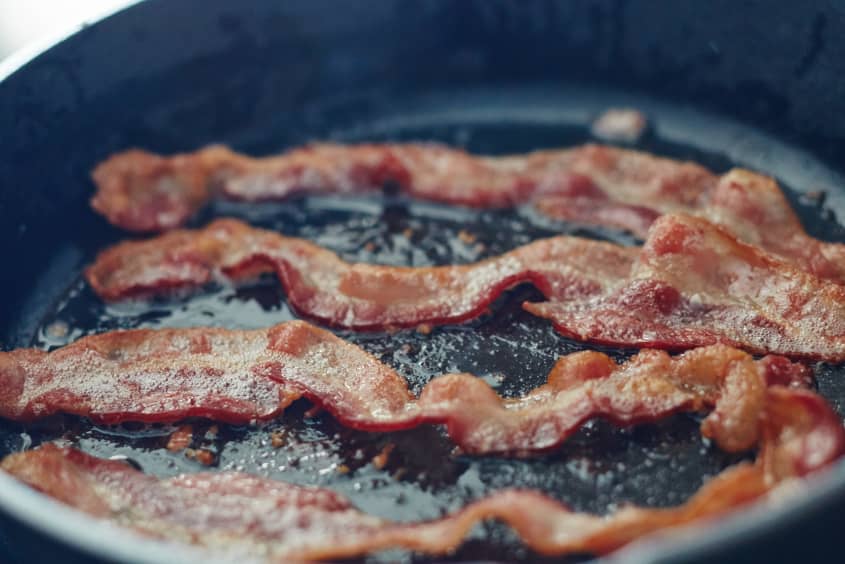
Master Stovetop Bacon: Your Guide to Perfectly Crispy Strips
There are few culinary delights as universally loved as perfectly cooked bacon. That irresistible aroma, the satisfying sizzle, and the ultimate crunch of a well-rendered strip can elevate any breakfast, sandwich, or even a simple salad. While various methods exist, mastering how to cook bacon on the stove remains a cherished tradition, offering unparalleled control over crispiness and flavor. This guide will walk you through the nuances of achieving stovetop bacon perfection, tailored precisely to your taste.
Unlike a rigid recipe, cooking bacon on the stove is truly an art form influenced by personal preference. Just like how you take your coffee or toast, your ideal bacon doneness is unique. Factors such as your skillet's material and size, the strength of your stovetop range, and the thickness of your bacon strips all play a role. But don't worry – with a few key techniques, you'll be consistently turning out strips that are just right, every single time.
Why Stovetop Bacon Reigns Supreme for Precision
While oven baking offers a hands-off approach, cooking bacon on the stovetop provides an interactive experience, allowing you to react in real-time to achieve your desired level of crispiness. The direct heat control and the ability to frequently monitor and flip each strip mean you can pull your bacon from the pan at the precise moment it reaches perfection. It's a labor of love that rewards you with superior texture and flavor, yielding strips that are uniformly cooked and delightfully crunchy, without the risk of drying out.
The immediate feedback of the sizzling fat and changing color allows for an intuitive cooking process. You can watch the fat render, see the edges crisp, and smell the developing aroma, making it easy to adjust your technique for different types of bacon or varying levels of doneness. For those who appreciate the craft of cooking, mastering stovetop bacon is a foundational skill.
Essential Gear for Stovetop Bacon Perfection
To embark on your journey to perfect stovetop bacon, you'll need a few key pieces of equipment:
- Heavy-Bottomed Skillet: A cast iron skillet is often considered the gold standard due to its excellent heat retention and even distribution, which are crucial for consistent cooking. Heavy-bottomed stainless steel or non-stick pans also work well. Avoid thin, flimsy pans that can create hot spots and lead to unevenly cooked bacon.
- Tongs: Essential for safely flipping bacon strips and removing them from hot grease.
- Paper Towels & Plate/Cooling Rack: For draining excess grease after cooking. A cooling rack placed over a plate allows air circulation, helping maintain crispiness.
- Heat-Proof Container: For safely draining and saving rendered bacon grease. A small ceramic bowl or a dedicated bacon grease container works perfectly.
- Splatter Screen (Optional but Recommended): To minimize mess from sizzling grease, especially if you prefer higher heat or thicker bacon.
The Step-by-Step Guide to Cooking Bacon on the Stove
Ready to transform humble strips of pork belly into culinary gold? Follow these steps for an optimal stovetop cooking experience:
1. Start with a Cold Pan (The Golden Rule)
This is arguably the most crucial tip for evenly cooked, flat bacon. Place your bacon strips in a cold skillet before turning on the heat. Lay them in a single layer, ensuring no overlapping. Starting cold allows the bacon and the pan to heat up together, facilitating a gradual rendering of the fat. This slow, even process prevents the bacon from immediately shriveling and scrunching, which often leads to unevenly cooked spots – super crispy bits next to soft, chewy ones. Instead, you'll get strips that shrink uniformly, leading to a perfectly consistent texture from end to end. For a deeper dive into this game-changing technique, check out our article: Cold Pan Bacon Secret: How to Get Evenly Cooked, Crispy Strips.
2. Mind Your Heat: Low and Slow Wins the Race
Once your bacon is laid out, turn your stovetop to medium-low to medium heat. Patience is key here. High heat will quickly burn the edges of your bacon before the fat has a chance to render completely and the rest of the strip cooks through. Cooking at a moderate temperature ensures the fat melts slowly, crisping the meat evenly without scorching. You're essentially frying the bacon in its own rendered fat, so a steady, controlled heat is paramount.
3. Don't Crowd the Pan & Flip Often
Resist the urge to cram too many pieces into your skillet, especially if you're cooking for a crowd. Overlapping bacon leads to uneven cooking and can actually prolong the overall cooking time. If you need to cook a larger batch, consider cutting your bacon strips in half; this makes them easier to arrange in a single layer and allows for more pieces per batch. As the bacon cooks and renders its fat, the cooking process will accelerate. You'll notice the bacon starting to firm up and turn golden. This is your cue to begin flipping regularly – every 1-2 minutes or so, particularly as it gets closer to your desired crispiness. Frequent flipping ensures even browning on both sides and helps prevent certain spots from burning before others are done. Keep an eye on the bacon, as the transformation from perfectly crisp to burnt can happen in mere seconds towards the end. To ensure you never face the disappointment of overcooked strips, refer to our guide: Avoid Burnt Bacon: Stovetop Tips for Crispy Perfection Every Time.
4. Know When It's Done (It's All About You!)
This is where your personal preference comes into play. Do you like it chewy and pliable, golden and slightly crisp, or shatteringly brittle? Watch the bacon closely. It will continue to crisp up slightly even after you remove it from the pan due to residual heat. Pull the bacon off the heat just before it reaches your absolute ideal doneness. Look for:
- Chewy: Still flexible, light golden-brown, with soft fat.
- Crispy: Firm but still bendable, deep golden-brown, with mostly rendered fat.
- Extra Crispy: Stiff and brittle, dark golden-brown to light mahogany, fully rendered fat.
5. Drain and Save That Glorious Grease
Once cooked, use your tongs to transfer the bacon strips to a plate lined with paper towels or, even better, a cooling rack set over paper towels. This allows excess grease to drain off, keeping your bacon crisp and preventing it from becoming soggy. If you're cooking multiple batches, be sure to periodically drain some of the rendered fat into a heat-proof container. Too much grease in the pan can cause the bacon to boil rather than fry, resulting in less crispy strips. Don't discard that precious bacon grease! Once cooled, strain it into an airtight container and refrigerate. It's fantastic for adding flavor to eggs, roasted vegetables, cornbread, and so much more!
Troubleshooting & Pro Tips for Stovetop Bacon
- Uneven Cooking: If some parts of your skillet seem hotter, gently rotate the bacon strips around the pan to ensure even exposure to heat.
- Too Much Splatter: A splatter screen is your best friend. Alternatively, ensure your heat isn't too high, which can cause more aggressive popping.
- Cutting Bacon: As mentioned, cutting strips in half (or even into lardons) before cooking can help fit more in the pan and allows for more even crisping, especially for very thick-cut bacon.
- Sweet & Savory: For a delightful twist, sprinkle a tiny pinch of brown sugar or a grind of black pepper over the bacon midway through cooking. Be cautious with sugar, as it can burn quickly.
- Cleaning Up: Once the pan has cooled, use paper towels to wipe out the remaining grease before washing. This makes cleanup easier and prevents grease from clogging your drain.
Conclusion
Mastering how to cook bacon on the stove is a fundamental kitchen skill that yields delicious rewards. By understanding the importance of a cold pan start, maintaining moderate heat, being patient, and flipping frequently, you'll consistently achieve perfectly crispy, flavorful bacon tailored to your exact preferences. So grab your skillet, embrace the sizzle, and enjoy the journey to creating the ultimate stovetop bacon strips every time.
